Bedding · Textile Guide
Naturepedic Organic Sheets: Weave, Weight, and Seasonal Comfort
A sheet’s character is written into its fiber, weave, weight, and finish. Understanding those details makes it easier to choose bedding that feels right not just on the first night, but through warm weather, cooler months, and many rounds in the wash.
There is a particular pleasure in getting the bed right: the clean, cool first touch of a pillowcase; the quiet weight of a coverlet settling into place; the way a well-chosen sheet softens without losing its shape. Bedding is intimate by nature, yet its comfort is not mysterious. It is shaped by practical textile decisions—what a fabric is made from, how its yarns are interlaced, how substantial it feels, and what finishing processes have given it its final hand.
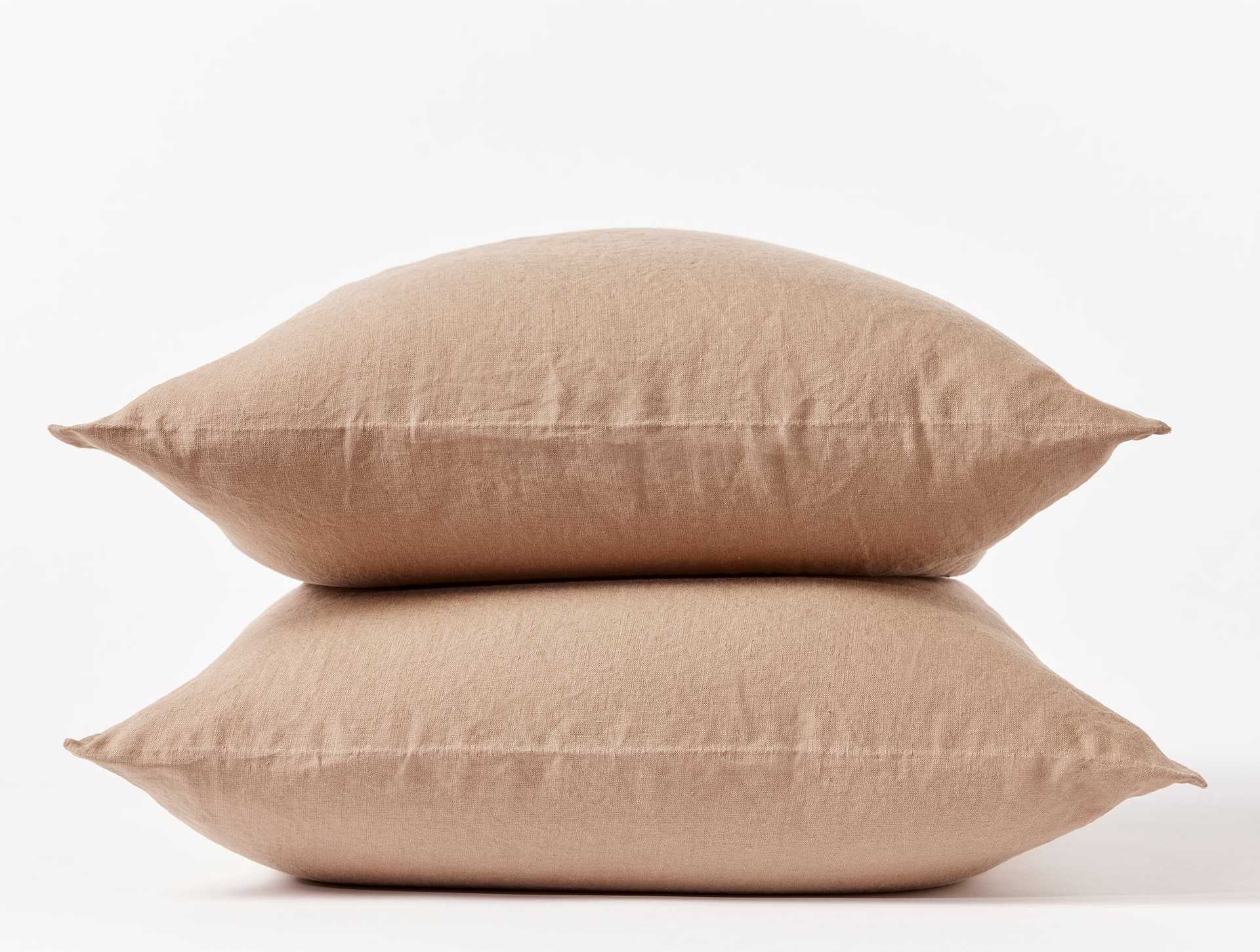
Naturepedic organic sheets offer a useful example for considering those elements. The organic linen collection described here uses GOTS-certified organic flax linen, with a reported fabric weight of 185 grams per square metre. Stone-washed for a more relaxed feel, the fabric combines a gently textured surface with the airy character associated with linen. Those specifications are more informative than a broad promise of “luxury”: they give a reader a way to picture the textile, compare it with other bedding, and ask how it might feel in a real bedroom.
Rather than treating any one material as universally ideal, it is more useful to understand what different constructions do. A lightweight sheet may feel easy and fluid; a more substantial one can bring a sense of substance and drape. Neither quality alone guarantees comfort. The right choice depends on personal preference, sleep environment, laundering habits, and the layers already on the bed.
Start with the fiber: flax and the nature of linen
Linen is made from flax, a plant fiber with a distinctive appearance and handle. In bedding, it is valued for its dry, tactile surface and its ability to feel airy rather than clingy. The yarns and weave leave room for air movement, while the fiber’s natural character gives linen a softly irregular look. That variation is part of its appeal: the surface feels composed, but not overly polished.
Naturepedic’s described sheets use organic flax grown in France, woven into linen, and made in a GOTS-certified facility. The stated specification is 185 gsm, or grams per square metre—a measure of fabric mass. This information can help distinguish a textile’s general substance, but it should not be read as a complete forecast of how warm or cool the sheet will feel. Fiber, yarn, weave density, finishing, room temperature, and a sleeper’s own comfort all matter.
Linen’s natural texture can initially feel more pronounced than the smooth surface of sateen. With repeated use and laundering, it tends to become softer and more relaxed. That evolution is part of the fabric’s appeal: the bed acquires a lived-in ease rather than maintaining a newly pressed appearance. If a silky, nearly frictionless surface is the priority, cotton sateen may be a more appealing comparison. If a relaxed hand and a visible weave are welcome, linen offers a different kind of refinement.
Weave: the architecture beneath the hand
A weave is the arrangement of lengthwise and crosswise yarns that forms a fabric. It influences how a sheet drapes, how much texture is apparent, and how the surface meets the skin. Two fabrics made from natural fibers can feel strikingly different because their yarns and weaves are not the same.
Linen bedding is commonly associated with a more open, textured character than finely finished cotton sateen. The Naturepedic organic linen described for this guide has a looser weave, a quality that contributes to its airy impression. It is not a guarantee that every sleeper will feel cool in every circumstance; rather, it is one part of how the cloth handles air and moisture. A sleeper’s duvet, mattress protector, room climate, and personal temperature preferences remain part of the equation.
Sateen, by contrast, is a weave structure that gives cotton a smoother face and a subtle sheen. It tends to feel sleek and fluid against the skin, with a more polished visual finish. Percale is another cotton construction, usually appreciated for a crisp, matte hand. These terms describe weave, not fiber content by themselves: a sheet’s label should be read for both the material and the construction.
When assessing a sheet in person, pay attention to more than the first touch. Does the fabric fall softly or hold a crisp plane? Does the surface feel nubby, smooth, or cool? Does it have enough body to stay neatly in place? A tactile preference often matters more than a technical term. The best weave is the one whose everyday feel suits the person sleeping in it.
What fabric weight can—and cannot—tell you
Fabric weight offers a helpful point of comparison. A lower gsm figure generally means less material mass over a given area; a higher figure generally indicates a more substantial cloth. In practice, however, weight is only one clue. Yarn size, weave, finishing, and fiber characteristics influence whether a fabric feels crisp, airy, dense, or supple.
At 185 gsm, the Naturepedic linen described here has a considered, present feel rather than the almost weightless quality of a very fine summer cotton. Its linen character is described as weighty yet breathable: a useful reminder that substance and airflow are not opposites. A sheet can feel substantial in the hand while still allowing a comfortable sense of ventilation. The precise impression varies with the room, the sleeper, and the layers used above it.
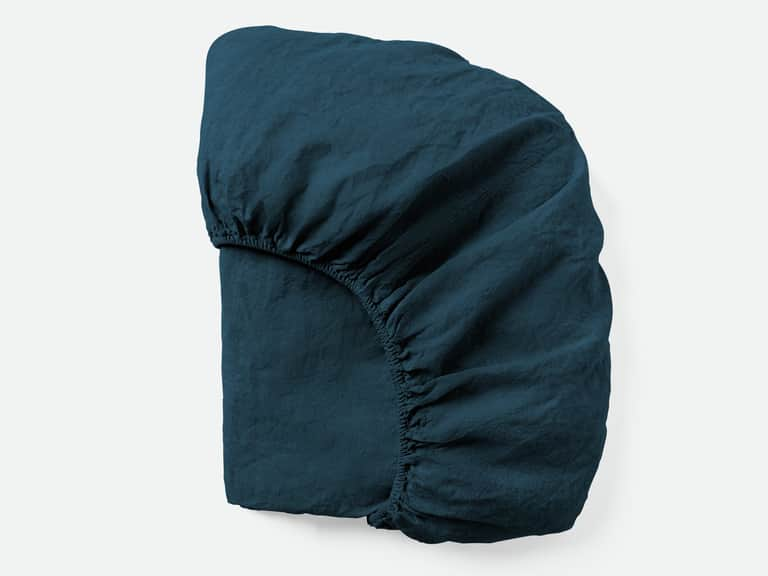
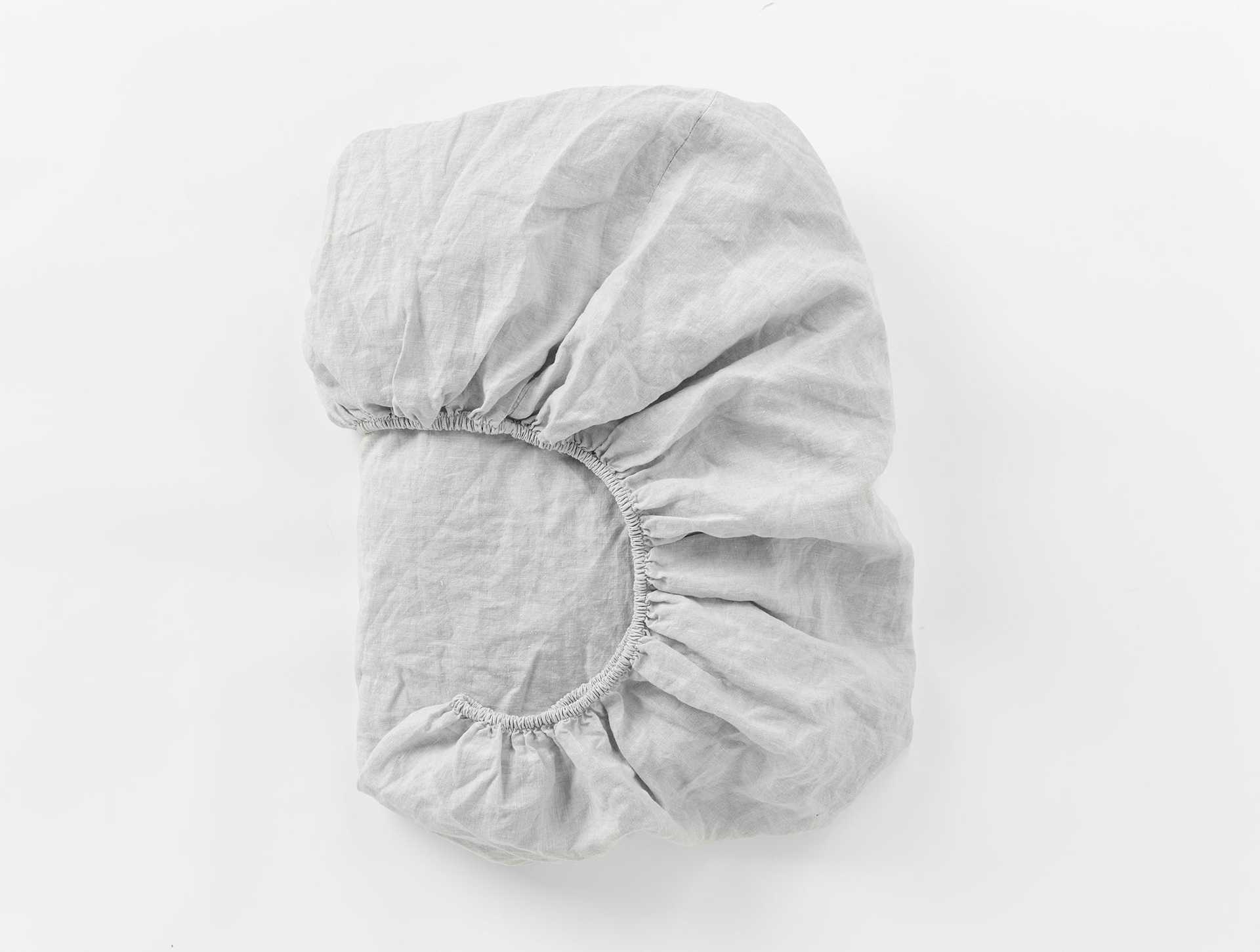
For readers comparing linen bedding, the [Organic Relaxed Linen Fitted Sheet](/products/organic-relaxed-linen-fitted-sheet-4874) offers another example of the details worth checking. Its description identifies organic flax, a 15-inch pocket, full elastic, and a plant-based softener finish, alongside care instructions. It is a separate linen product, not a Naturepedic sheet; its specifications simply illustrate how fiber, fit, finish, and maintenance can be considered together.
Thread count is often presented as shorthand for quality, but it does not translate neatly across every fiber and weave. Linen and cotton have different yarn characteristics, and a number alone cannot describe softness, durability, or comfort. For linen in particular, fiber origin, construction, weight, finishing, and care guidance can provide a more meaningful picture than trying to compare it with cotton by thread count.
Seasonal comfort is a matter of layers
It is tempting to label one sheet “for summer” and another “for winter,” but bedding works as a system. Sheets sit against the body; blankets, duvets, and room conditions shape the warmth around it. A breathable linen sheet may feel appealing through a warm night, while the same linen can remain comfortable in cooler weather when paired with an appropriate duvet. The sheet contributes to the experience, but it does not determine it alone.
In warm conditions, many people prefer fabrics that feel airy and do not cling. Linen’s textured surface and moisture-handling character can make it a considered choice for those who want a less slick, more relaxed sleep surface. In cooler months, linen’s substance and layered texture can feel reassuring when paired with warmer bedding. The key is to adjust the layers above the sheet rather than expecting a single textile to regulate every temperature change.
Sleepers who tend to feel warm might consider a lighter duvet, fewer blanket layers, and a bedroom temperature that supports comfortable rest. Those who feel cold may prefer a warmer top layer or an additional blanket while keeping the sheets they enjoy. Partners with different preferences can sometimes find balance by using separate top layers on one bed. Small adjustments—rather than a complete change of bedding—often make the greatest difference.
Seasonal comfort is also personal. Two people in the same room can experience the same sheet differently. If possible, consider the textile’s hand, the weight of the complete bedding arrangement, and how easily the bed can be adapted through the year. A useful choice is not simply one that suits a season on paper; it is one that works with the routines and preferences of the household.
Finishing: the subtle influence of washing and feel
Finishing processes can change how a textile feels when it first reaches the bed. Stone washing, for example, is used to give linen a softer, more relaxed hand than an untreated, sharply crisp fabric may have. The Naturepedic sheets described here are stone-washed, a detail that helps explain their softer surface and casual drape. Finishing does not erase the fiber’s inherent character; it refines the way that character is presented.
Some linen products also use a plant-based softener as part of their finish. That description appears for the separate Organic Relaxed Linen Fitted Sheet linked above. It should not be assumed to apply to every linen sheet or every brand. Product descriptions, labels, and care instructions are the reliable sources for a particular item’s finish.
The first wash can also change the experience. Fabric may relax, settle, or become softer with use, and the results depend on construction and care. Avoid judging a sheet solely by a brief first touch when its maker describes an intentional break-in period. At the same time, there is no need to assume that a fabric must feel uncomfortable before it becomes pleasant: the initial hand should be compatible with your own preferences.
Details such as cuff stitching and garment washing are aesthetic and construction cues, but they do not replace the essentials: accurate fiber information, a suitable fit, clear care guidance, and a feel you enjoy. Finishing is most valuable when it supports the textile’s intended character without making maintenance difficult.
Care that respects the cloth
Good bedding care is less about elaborate rituals than consistency. Follow the instructions supplied for the specific sheet, since recommended temperatures and drying methods can differ across fabrics and finishes. For the Naturepedic organic linen sheets described here, the stated guidance is machine wash warm, tumble dry low, warm iron if desired, and no bleach. That advice belongs to that product description; other linen sheets may specify cold washing or a different cycle.
When laundering, avoid overloading the machine. Bedding needs room to move so detergent and water can circulate through the fabric. Use an appropriate amount of detergent, and separate items by color when needed. If a sheet is particularly soiled, treating the area in line with the care instructions is often preferable to reaching immediately for harsh additives that may affect color or fiber.
High heat can place unnecessary stress on many textiles, so low-temperature drying is a sensible choice when the label recommends it. Removing sheets promptly can reduce deep creasing. Linen’s natural texture does not need to be pressed into a perfectly smooth finish; a warm iron is an option for those who prefer a sharper appearance, not a requirement for everyday comfort.
Wash frequency depends on household habits, climate, and personal preference. A regular routine helps maintain a fresh sleep surface, while gentle handling can support the fabric’s useful life. Store fully dry sheets in a clean, breathable space, and rotate sets if you have more than one. These small practices are part of making bedding feel dependable, season after season.
Organic claims and what certification adds
“Organic” is meaningful only when readers can understand what the claim refers to. In the product information provided for Naturepedic organic linen sheets, the flax is identified as certified organic and the sheets are described as GOTS-certified. Certification is a way to look beyond a vague natural-sounding label and toward documented standards for the textile supply chain. Readers who want to verify the precise scope of a certification should consult the product’s current label and certification information.
Organic certification does not tell you whether a sheet will feel crisp or soft, nor does it make every care decision identical. Those qualities still depend on fiber, weave, weight, and finish. Likewise, the word “natural” alone is not a substitute for a clear account of composition and production. A careful reader can consider both the textile’s sensory qualities and the evidence behind its sourcing claims.
For a considered purchase, look for the fiber content, the weave or construction where available, the country or stage of manufacture if disclosed, the certification details, and the care instructions. The more specific the information, the easier it is to make an informed comparison. These are not merely technical notes: they help describe how a sheet may look, feel, perform, and fit into everyday life.
A practical guide to choosing a sheet
Before selecting bedding, begin with the sensation you want. If you love a smooth, polished surface, explore cotton sateen. If you prefer a crisp, matte feel, percale may be appealing. If you want texture, a relaxed drape, and a fabric that develops softness with use, linen merits a closer look. There is no universal hierarchy: these are distinct experiences, each with its own appeal.
- Check fiber content. Confirm whether the sheet is linen, cotton, or a blend, and read what the product says about the source of its fibers.
- Look beyond a single number. Weight can indicate substance, but it should be considered alongside weave, finish, and the textile’s own description.
- Assess fit. Measure mattress depth, including any topper, and compare it with the fitted sheet’s pocket depth. A secure fit matters as much as surface feel.
- Consider your sleep environment. Room temperature, duvet weight, and personal temperature preferences all shape comfort.
- Read care instructions before buying. Make sure the recommended wash and drying routine suits your laundry habits.
- Think about how the fabric will evolve. Linen often becomes softer with use, while a crisp cotton percale may retain a different character.
The Naturepedic organic linen collection brings several of these considerations into focus: organic flax, a stated 185 gsm weight, a looser weave, stone-washed finishing, and care guidance that is clearly described. Together, those details create a more useful portrait than a claim of softness or luxury alone. The same method—reading fiber, construction, finish, and care as a whole—can be applied to any bedding choice.
The quiet pleasure of a well-made bed
Sheets shape the bedroom in two ways: through how they feel and through how they look. Linen’s softly irregular surface lends a bed an easy, unstudied quality; its drape can make even a simple white arrangement feel considered. A smooth sateen brings a different kind of polish, catching light more readily and creating a more tailored impression. Both can be beautiful. The question is which atmosphere feels most like home.
Naturepedic organic sheets demonstrate why details matter. Fiber establishes the foundation; weave gives the fabric its structure; weight helps convey its substance; finishing shapes the first touch; care influences how the cloth lives over time. Seasonal comfort then emerges from the full arrangement—the sheet, the duvet, the room, and the person beneath the covers.
A good sheet does not need to announce itself. It earns its place through repeated use: a comfortable surface at bedtime, an easy fit in the morning, and a familiar softness that grows with care. When you choose with both hand and construction in mind, bedding becomes more than a decorative layer. It becomes a small, enduring pleasure built into the rhythm of every day.